
Flat roofs are a common feature on many homes and commercial buildings, but they require careful maintenance to prevent leaks and structural damage. Even small leaks can escalate into expensive repairs if not addressed promptly. While professional services are always an option, many homeowners can handle minor flat roof repairs themselves using safe and effective DIY methods. This guide will walk you through 7 easy DIY methods to repair flat roof leaks quickly, along with tips for preventive maintenance and safety.
Signs Your Flat Roof Needs Repair
Before starting any repair, it’s important to identify if your flat roof has issues. Common warning signs include:
- Water stains on ceilings: Leaks often show up as discoloration inside your home.
- Ponding water: Flat roofs are prone to standing water, which can damage roofing material over time.
- Cracks or blisters: Aging or weakened roof materials can develop cracks, splits, or bubbles.
Noticing these signs early allows you to tackle small problems before they become major repairs.
1. Clean and Inspect the Roof
The first step in any DIY flat roof repair is to clean the roof surface and inspect it carefully:
- Remove debris, leaves, and dirt that may trap moisture.
- Check for cracks, holes, worn edges, or damage around vents and flashing.
- Take note of the areas that need patching or sealing.
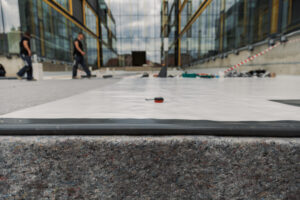
Regular inspection is a key part of flat roof maintenance and can prevent leaks from worsening.
2. Patch Small Cracks and Holes
For minor damage, you can patch small cracks and holes using the following steps:
- Apply roofing cement or patching material to the damaged area.
- Smooth the surface with a trowel or putty knife to ensure a proper seal.
- Allow the material to cure as per manufacturer instructions.
Properly patching small holes can prevent leaks from spreading and prolong your roof’s lifespan.
3. Seal Seams and Joints
Seams, joints, and edges are often where leaks start. To seal them:
- Use a high-quality waterproof sealant or caulking.
- Apply along seams, flashing, and areas around vents.
- Smooth it evenly and let it dry completely.
Sealing these areas is critical for roof waterproofing and preventing future leaks.
4. Apply Waterproof Coating
Applying a protective coating helps reinforce the roof’s surface:
- Use liquid rubber or bitumen-based coatings.
- Follow the manufacturer’s instructions for application and curing.
- Ensure full coverage for long-lasting protection.
Waterproof coatings create a barrier against moisture and add an extra layer of durability.
5. Replace Damaged Shingles or Membranes
Sometimes patches aren’t enough, and you need to replace damaged sections:
- Identify the damaged shingles or membrane sections.
- Remove the old material carefully.
- Install compatible replacement materials according to roofing standards.
Replacing damaged sections prevents leaks from recurring and maintains roof integrity.
6. Improve Drainage
Poor drainage can accelerate damage to a flat roof. To improve it:
- Clean gutters and downspouts to ensure proper water flow.
- Add temporary slope adjustments if necessary to prevent ponding.
- Check for obstructions regularly to avoid standing water.
Proper drainage is an essential part of flat roof maintenance and helps reduce long-term repairs.
7. Regular Preventive Maintenance
Preventive maintenance is key to keeping your flat roof in top condition:
- Schedule inspections every 6–12 months.
- Remove debris and clean the roof surface.
- Monitor repaired areas to ensure they remain sealed.
Consistent maintenance reduces the need for costly repairs and extends the roof’s lifespan.
Safety Tips for DIY Flat Roof Repairs
Safety should always come first when working on a roof:
- Wear proper footwear with grip and a safety harness if possible.
- Avoid working on wet, icy, or slippery surfaces.
- Know when the damage is too severe and requires a professional.
Following safety guidelines ensures your DIY efforts don’t create additional risks.
Conclusion
DIY flat roof repair is an effective way to manage small leaks and maintenance issues, but it’s important to know your limits. For extensive damage or ongoing leaks, professional expertise is recommended.
For expert flat roof repair services and long-lasting solutions, trust Roof Lux to keep your roof safe, durable, and leak-free.
FAQs
1. What is the typical cost of repairing a flat roof?
Costs vary depending on the size, materials, and severity of damage. DIY repairs are cheaper but professionals like Roof Lux ensure durability.
2. What steps are involved in repairing a flat roof?
Flat roof repair involves cleaning, patching cracks, sealing seams, applying waterproof coatings, and replacing damaged sections if necessary.
3. How often should a flat roof be inspected for maintenance?
At least twice a year and after major storms to prevent leaks and damage.
4. Which materials are best suited for flat roof repair?
EPDM, TPO, PVC membranes, liquid rubber coatings, and roofing cement are common options.
5. Can flat roof leaks be completely prevented?
Regular maintenance, proper drainage, and timely small repairs can reduce leaks, though aging roofs may still need professional attention.
6. Are flat roof repairs safe and feasible as DIY projects?
Small repairs and maintenance are DIY-friendly if safety precautions are followed, but major repairs require professional expertise.